Guide 15
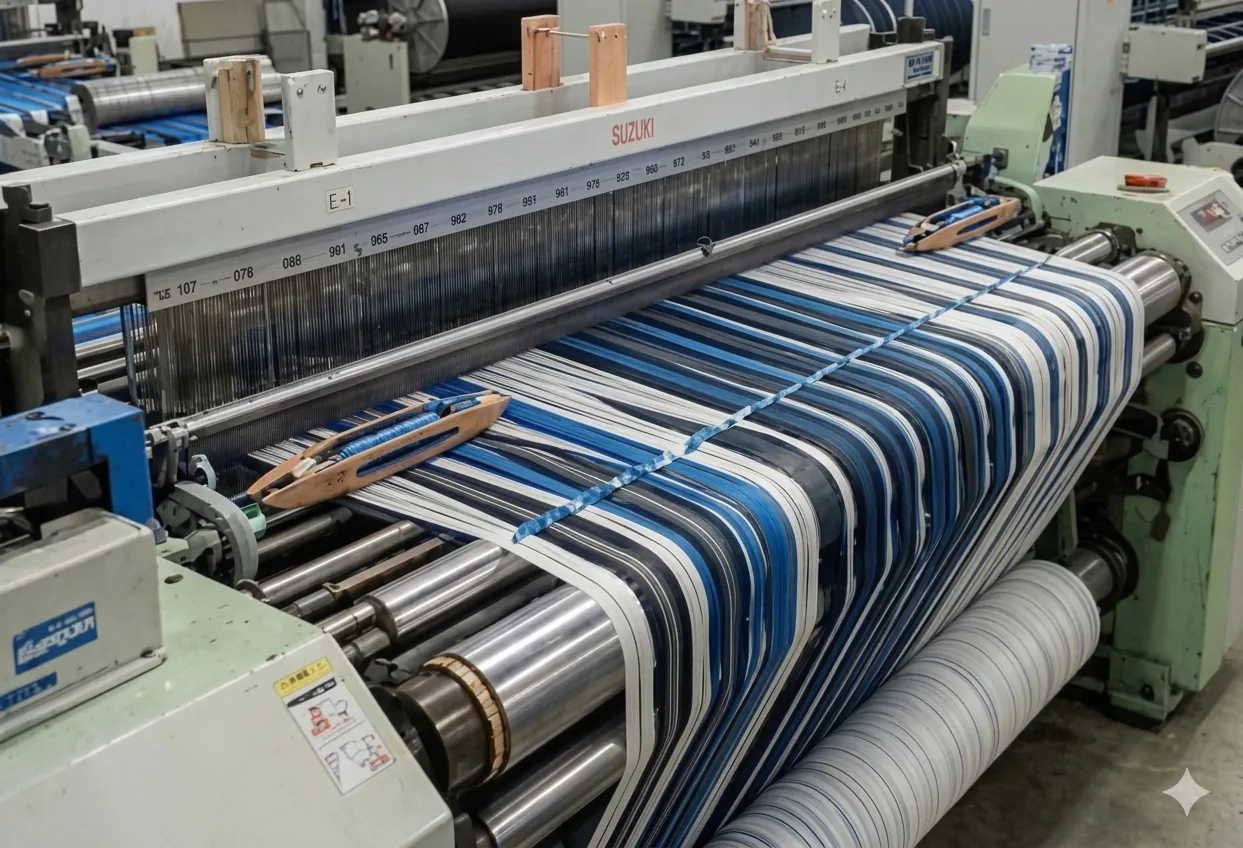
How Woven Webbing Is Made: From Yarn to Finished Roll
Understand the main stages of narrow-webbing production and the decisions buyers should document from yarn to finished rolls.
Read the guide →Explore product selection, construction, inspection and specification topics. These guides are educational; validate requirements against your product and applicable standards.
Understand the main stages of narrow-webbing production and the decisions buyers should document from yarn to finished rolls.
Read the guide →
Learn how wear surfaces, sample conditioning and test conditions affect abrasion comparisons for textile webbing.
Read the guide →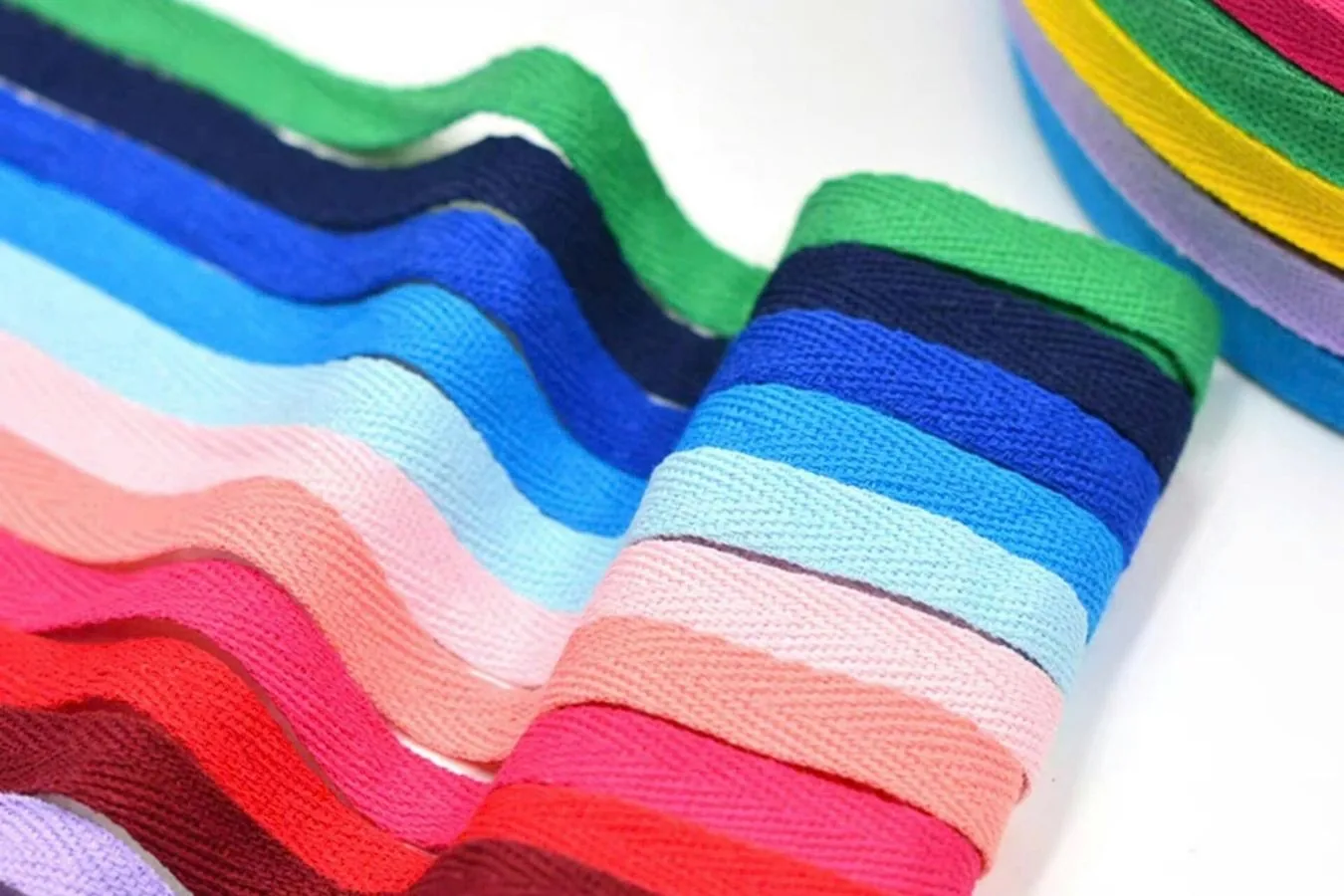
Plan colorfastness evaluation for webbing and trims by matching test conditions to the real product and its care.
Read the guide →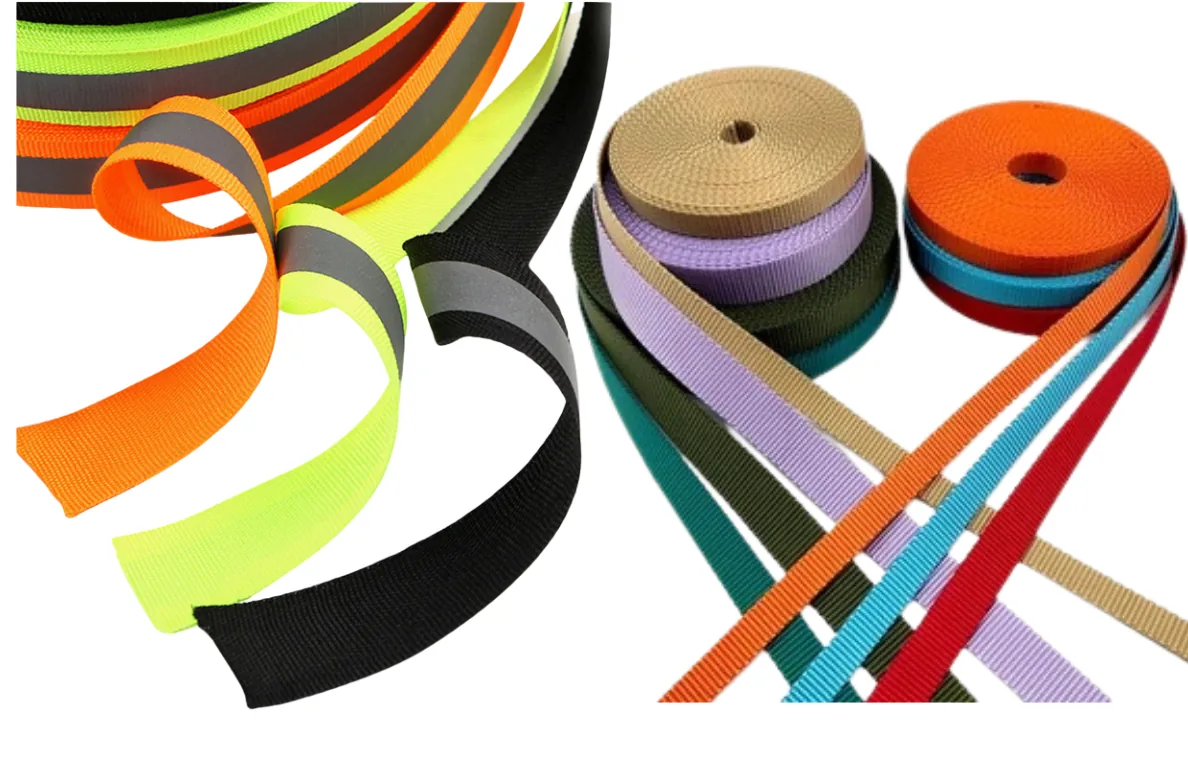
A practical guide to evaluating webbing with the sewing, hardware and attachment geometry used in the finished product.
Read the guide →Specify roll length, identification, packaging and records so incoming webbing is easier to inspect and trace.
Read the guide →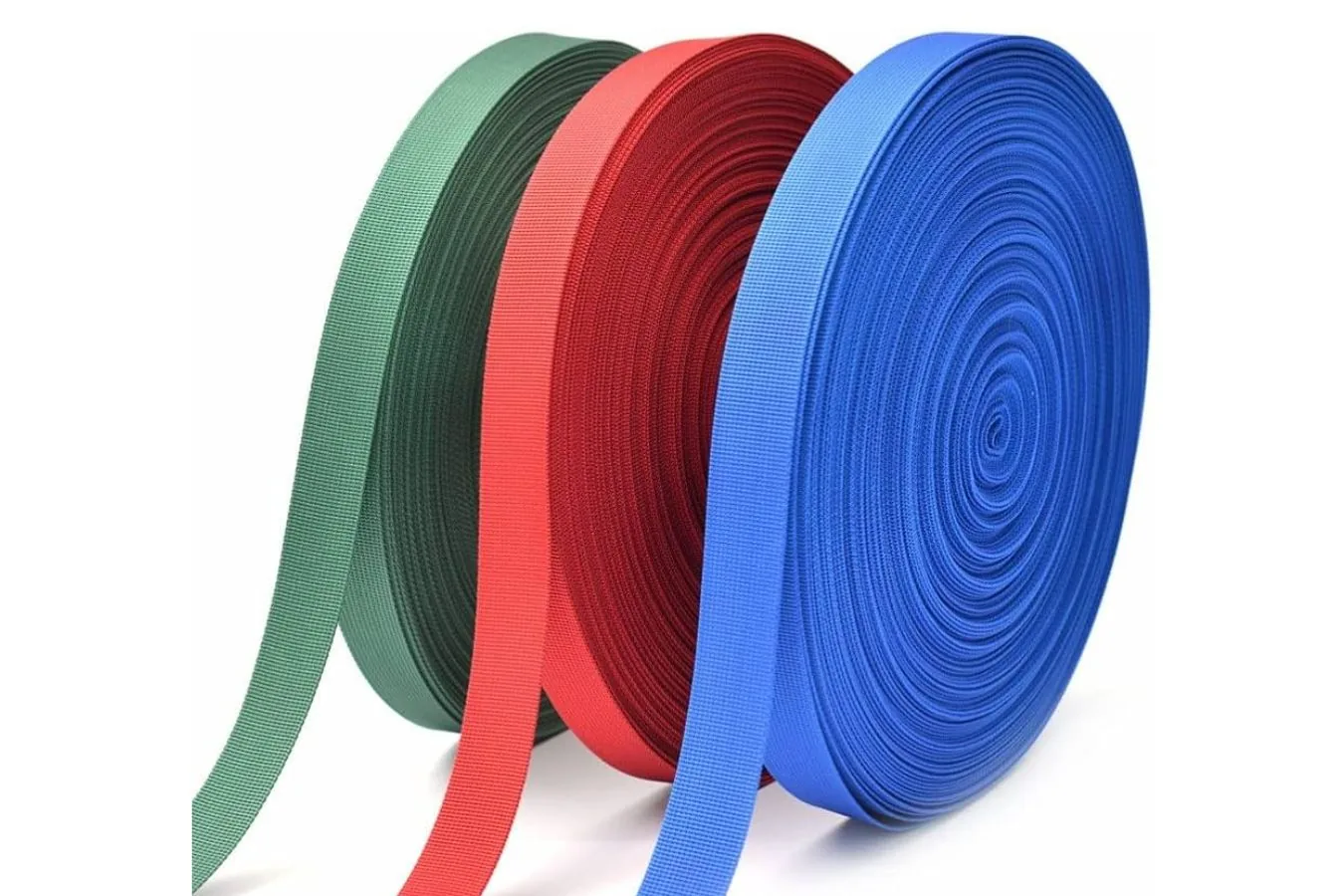
A practical document checklist for US buyers discussing imported webbing, textile trim and finished goods.
Read the guide →A practical specification starts with the job the strap must perform: where it attaches, how the force travels through the bag, how it feels in use and how the webbing will be tested.
Read the guide →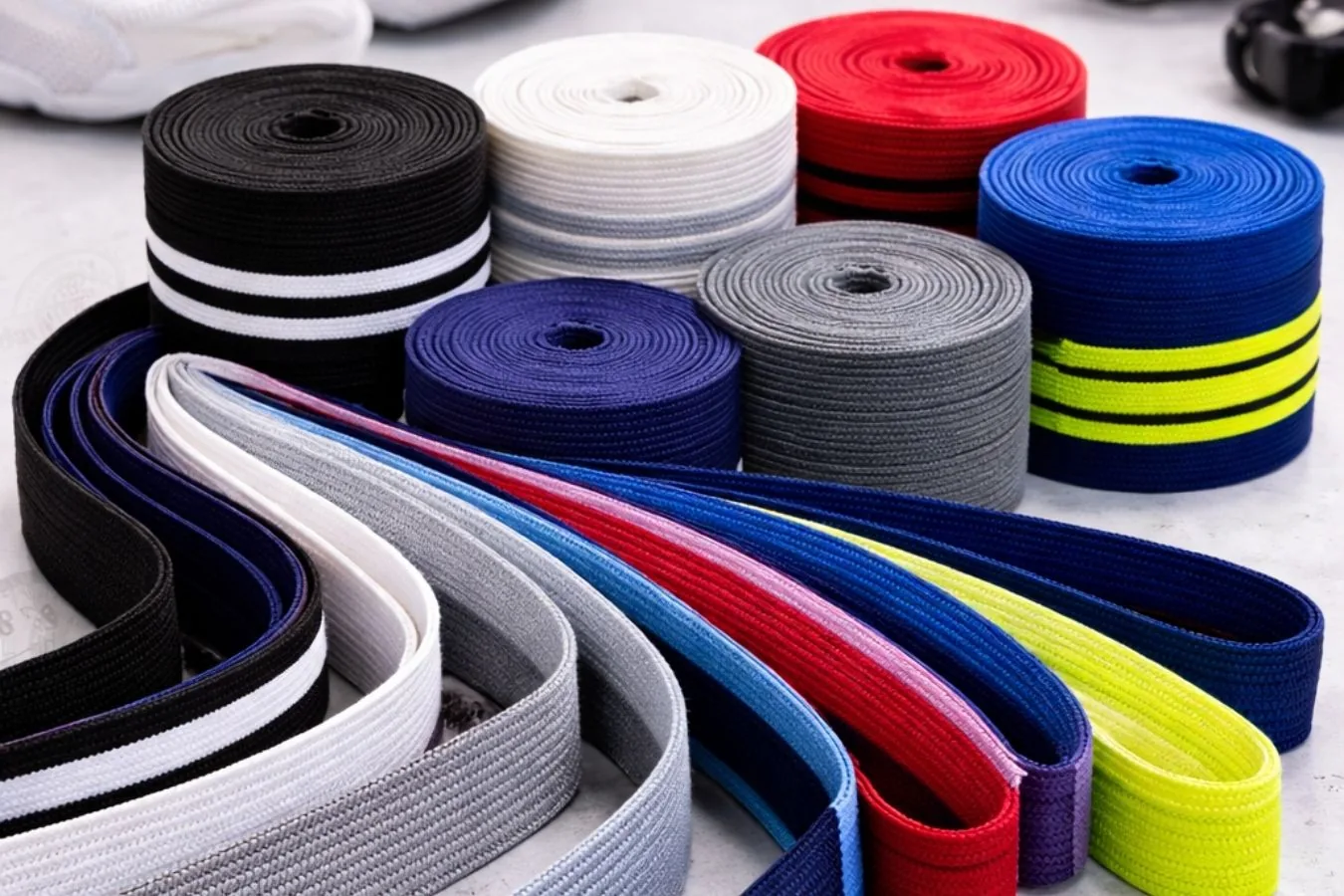
Elastic performance is a system: fiber, structure, dimensions, applied extension, sewing and care all contribute to how the finished component behaves.
Read the guide →Binding tape can protect and finish an edge, but the finished seam depends on tape, substrate, stitch, operator setup and use conditions working together.
Read the guide →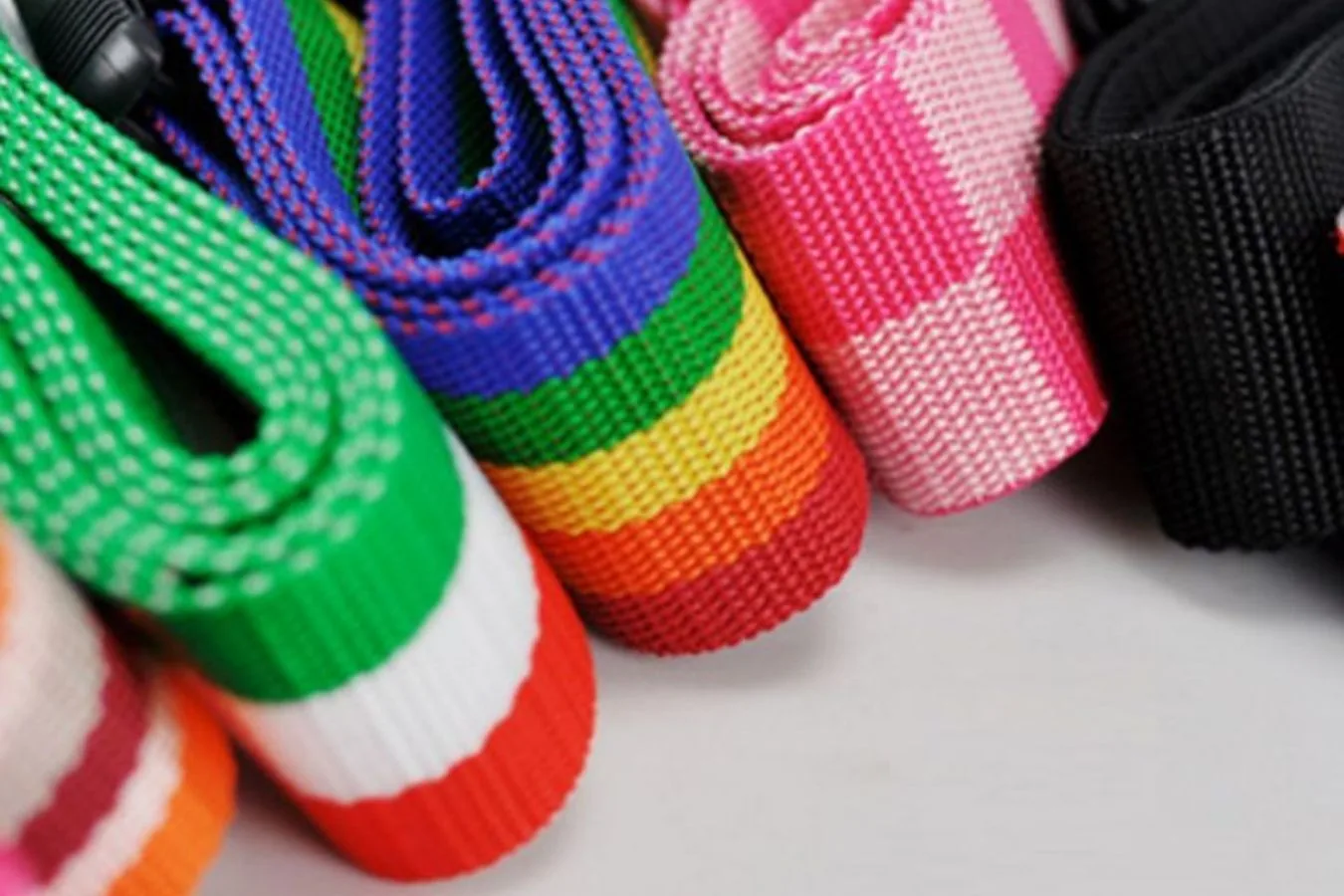
Woven identity integrates the design into the textile structure; printing applies graphics to a finished surface. The right choice depends on artwork, scale, hand, use, order quantity and cost.
Read the guide →
Width is only one variable in a webbing assembly. Construction, fiber, stitching, hardware, geometry and load direction all affect the finished system.
Read the guide →An incoming inspection plan makes acceptance repeatable. It connects the purchase specification to measurable checks on dimensions, appearance, color, roll condition and performance evidence.
Read the guide →Compare common webbing fibers and learn how to evaluate samples for bags, apparel and sewn products.
Read the guide →Understand the difference between a test result for webbing and a rated capacity for a finished assembly.
Read the guide →
Create measurable width and thickness requirements for webbing, hardware fit and sewing.
Read the guide →Understand what affects minimum order quantities, sample approval and delivery schedules for custom webbing.
Read the guide →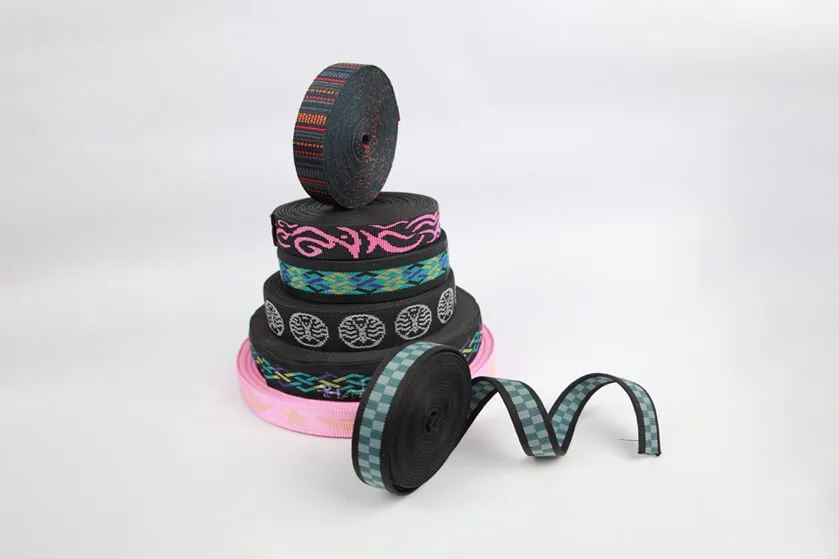
Prepare artwork and specifications for woven logos, branded straps and patterned textile trims.
Read the guide →Set up a clear process for color references, physical samples and production acceptance.
Read the guide →Prepare a clear request for quotation for custom woven webbing, elastic or textile binding.
Read the guide →Compare elastic and non-stretch woven webbing by function, adjustment, recovery and evaluation.
Read the guide →Share dimensions, material, color, quantity and delivery destination so our team can review your request.