
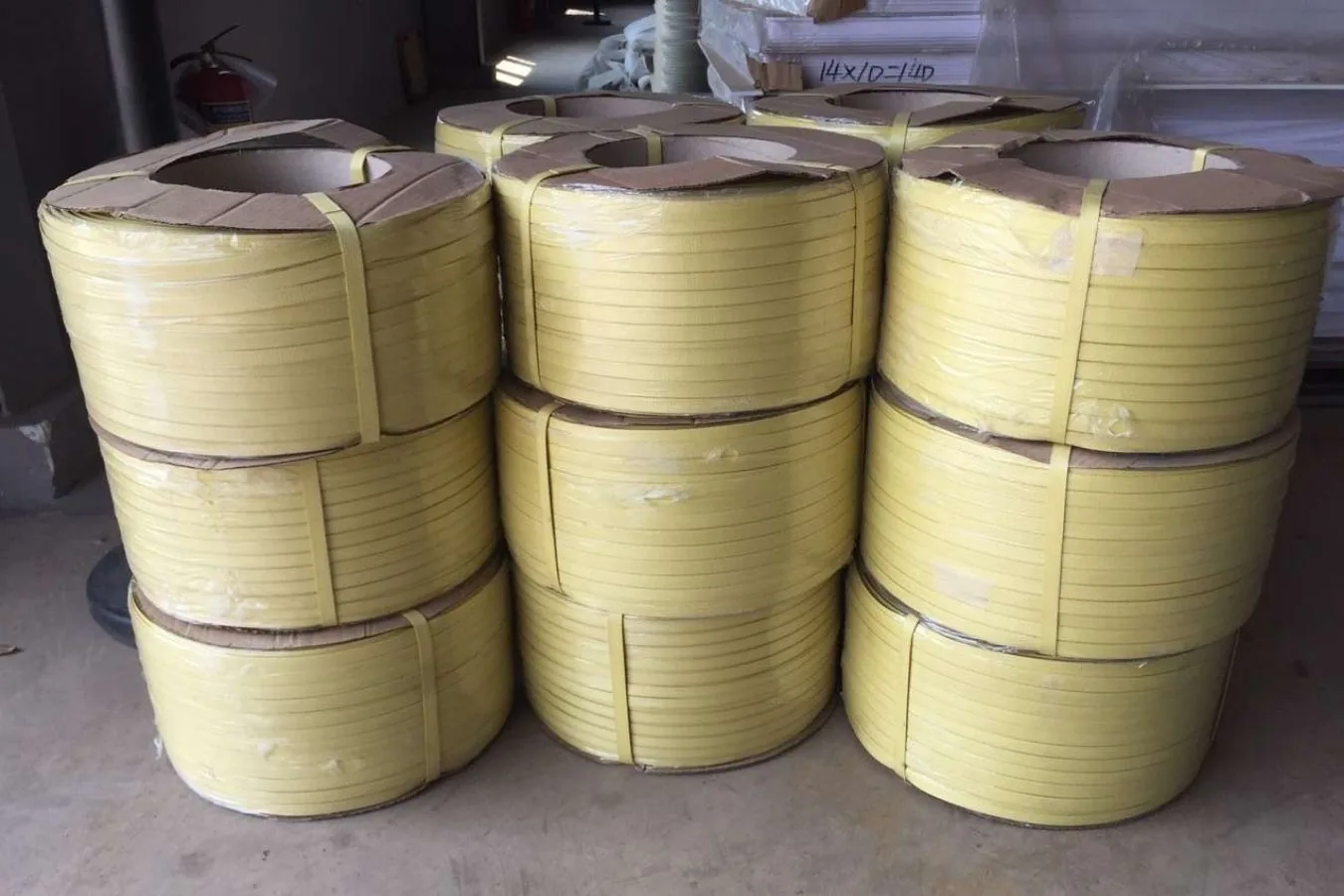
Specify roll length, identification, packaging and records so incoming webbing is easier to inspect and trace.
Why specify packing before the order?
Webbing may meet a construction specification yet still be difficult to handle if roll lengths, labels or packaging do not fit the buyer’s production process. A packing specification sets a common expectation for the supplier, receiver and sewing team.
Agree on roll format
Specify target roll length and units, permitted length variation, winding direction where it matters, core or center requirements, and how joins or splices should be identified. If splices are allowed, define their permitted number, location, visibility and treatment in usable length. Confirm packaging protects the material against contamination and damage in the agreed transport conditions.
Define the label
Useful roll identifiers may include purchase order, product or construction code, color reference, finished width, net length, roll number and lot identifier. Avoid assuming a supplier can provide a particular traceability scheme: agree on its format, the record retention period and any customer-specific labels before production.
Connect documents to physical rolls
Align the packing list, invoice, test report and lot identification where applicable. On arrival, record the delivered quantities and condition against the packing list. Keep nonconforming material identified and separate while the supplier and buyer agree on the disposition.
Questions for the quotation
- What roll lengths and packaging options can be supplied?
- Are joins permitted, and how are they marked?
- Which identifiers can be printed on each roll and carton?
- How are lots related to inspection records and test reports?
- What packing or handling instructions apply at the destination?
This is a planning checklist; actual packaging, traceability and record availability must be confirmed in the purchase agreement.
Explore woven webbing options or contact KVN to discuss your specification.