
01
Plain woven webbing
A straightforward woven construction for straps, handles and general sewn components. Specify the fiber, finished width, thickness, edge and surface appearance, then evaluate a sample in your assembly.
Explore plain, nylon, high-strength and flame-retardant webbing options listed in KVN’s product range. Construction and performance depend on the fiber, weave, width and finishing selected for your project.
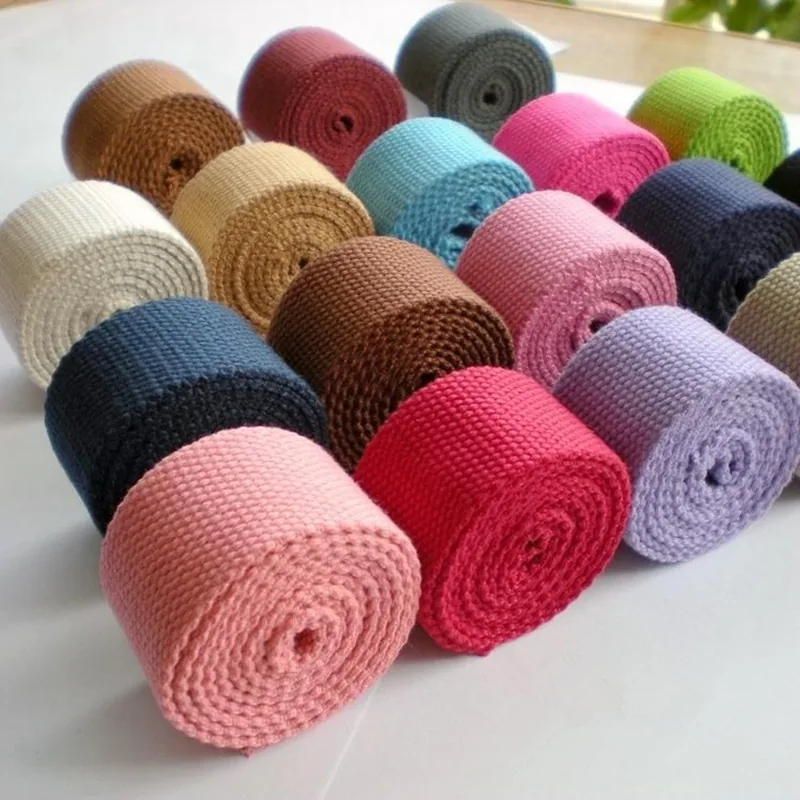
Compare a physical sample against your intended application, dimensions and performance requirements.
Ask about a sampleA straightforward woven construction for straps, handles and general sewn components. Specify the fiber, finished width, thickness, edge and surface appearance, then evaluate a sample in your assembly.
An option to consider for straps and sewn components where hand feel and durability matter. Compare the actual construction, moisture exposure and required performance against a sample.
For projects with defined tensile requirements, provide the test method and minimum acceptable result for the exact construction. Verify the finished assembly, including stitching and hardware.
For flame-related requirements, identify the applicable test method, conditioning, acceptance criteria and any care requirements. Ask KVN to confirm available construction and documentation.
Application examples are starting points only. Final suitability should be evaluated against the product design, load, user contact, care conditions and required tests.
Woven webbing is a narrow textile used for straps, handles, trim and other components. Its behavior depends on the yarn, weave, finished dimensions and treatment. A finished strap also depends on its stitching, hardware and attachment points.
Begin with the environment, abrasion exposure, desired hand feel, color requirements and target cost. Ask for samples in the proposed construction and compare them against your written performance criteria. Fiber name alone does not establish the performance of the finished tape.
No. A breaking strength describes a test result under stated conditions. A working load limit is an authorized load for a specified product and use, determined under the applicable design and safety requirements. Do not derive a working load limit from a generic webbing claim; validate the complete assembly for its intended use.
Provide your desired finished width and tolerance in millimeters or inches, plus expected order quantity. Available widths and minimums depend on the construction and must be confirmed for each inquiry. One inch equals 25.4 mm.
Send a physical sample or a recognized color reference and specify the lighting, tolerance and approval process. Color matching, sample lead time and feasibility must be confirmed for the proposed material.
Related reading: choosing backpack webbing · width and strength · incoming quality checks · compare polyester, nylon and polypropylene · breaking strength and working load limits · specify width and thickness · webbing RFQ checklist
Share dimensions, material, color, quantity and delivery destination so our team can review your request.