
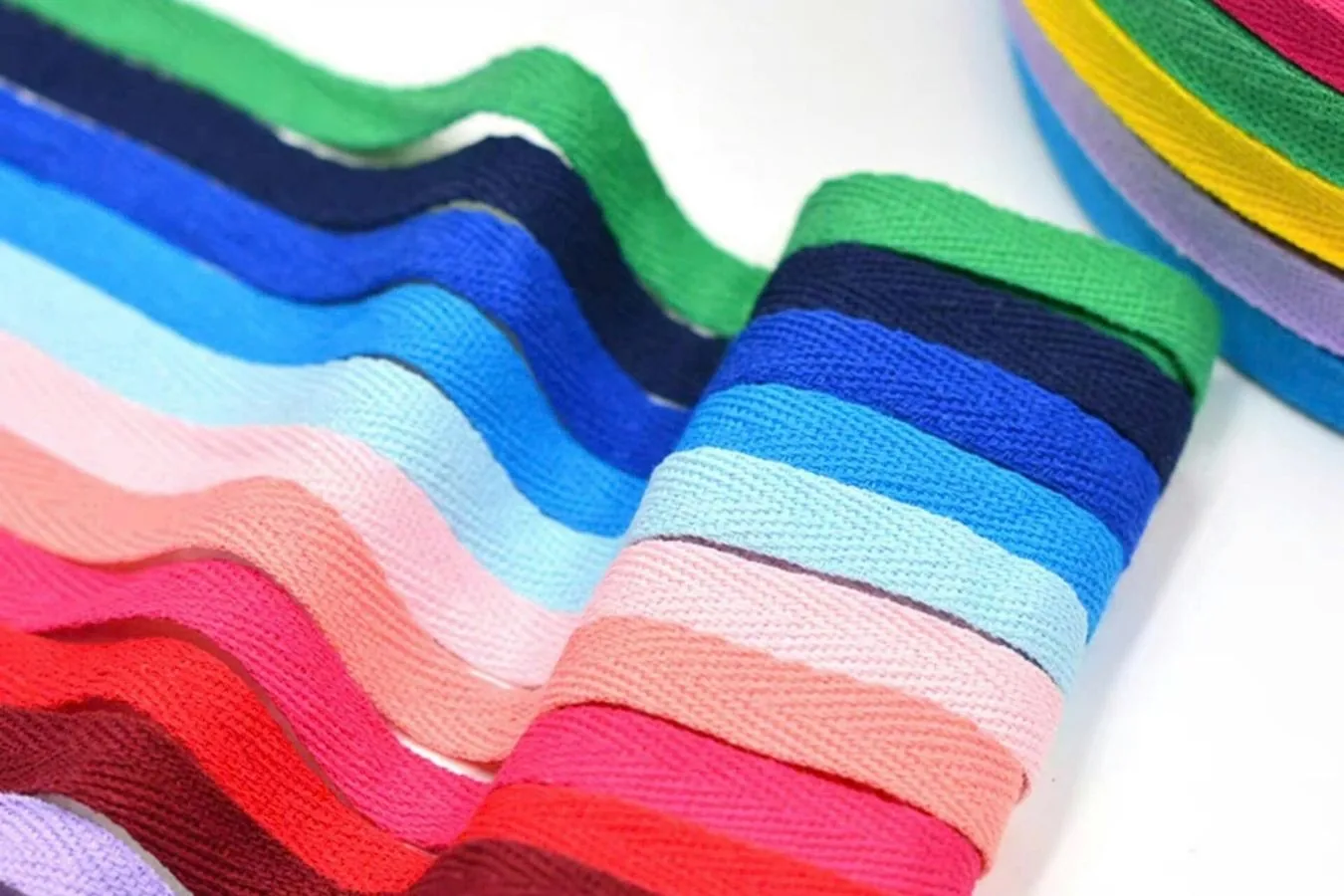
Set up a clear process for color references, physical samples and production acceptance.
Choose a shared reference
Provide the intended color using an agreed physical standard, reference code or approved master sample. A screen display, phone photograph or uncontrolled printout can appear different under another device or light source. Record which reference is authoritative.
Agree on the approval process
Review the material and finish that will actually be used. Fiber, surface texture and viewing conditions can affect appearance. Agree on lighting, observer or instrument, tolerance method and the surfaces to compare. Confirm whether a lab dip, woven sample or production trial is needed.
Manage variation and records
Keep the approved sample identified with product, material, color, date and revision. Specify the viewing method and acceptance criteria in the purchase documents. Discuss lot identification and the treatment of color differences between production lots before ordering.
Consider care and use
Color matching and colorfastness are different requirements. If laundering, rubbing, light or other exposure matters, agree on the applicable test method and acceptance level for the actual material. A visual match alone does not establish colorfastness.
Frequently asked question
Will the finished product exactly match a screen image?
Screen settings and lighting affect what you see. Use an agreed physical or measured standard and approve a representative sample.
Explore woven webbing options or contact KVN to discuss a specification.